Geospatial AI Agents Enable Planetary Prediction and Real-World Impact
Google Research introduced a geospatial reasoning agent that combines Earth AI models with autonomous planning for multi-step analysis.
Published
October 14, 2026
Reading time
4 minutes
Perspective
Research
Topics
geospatial AI · subseasonal forecasting · on-device AI
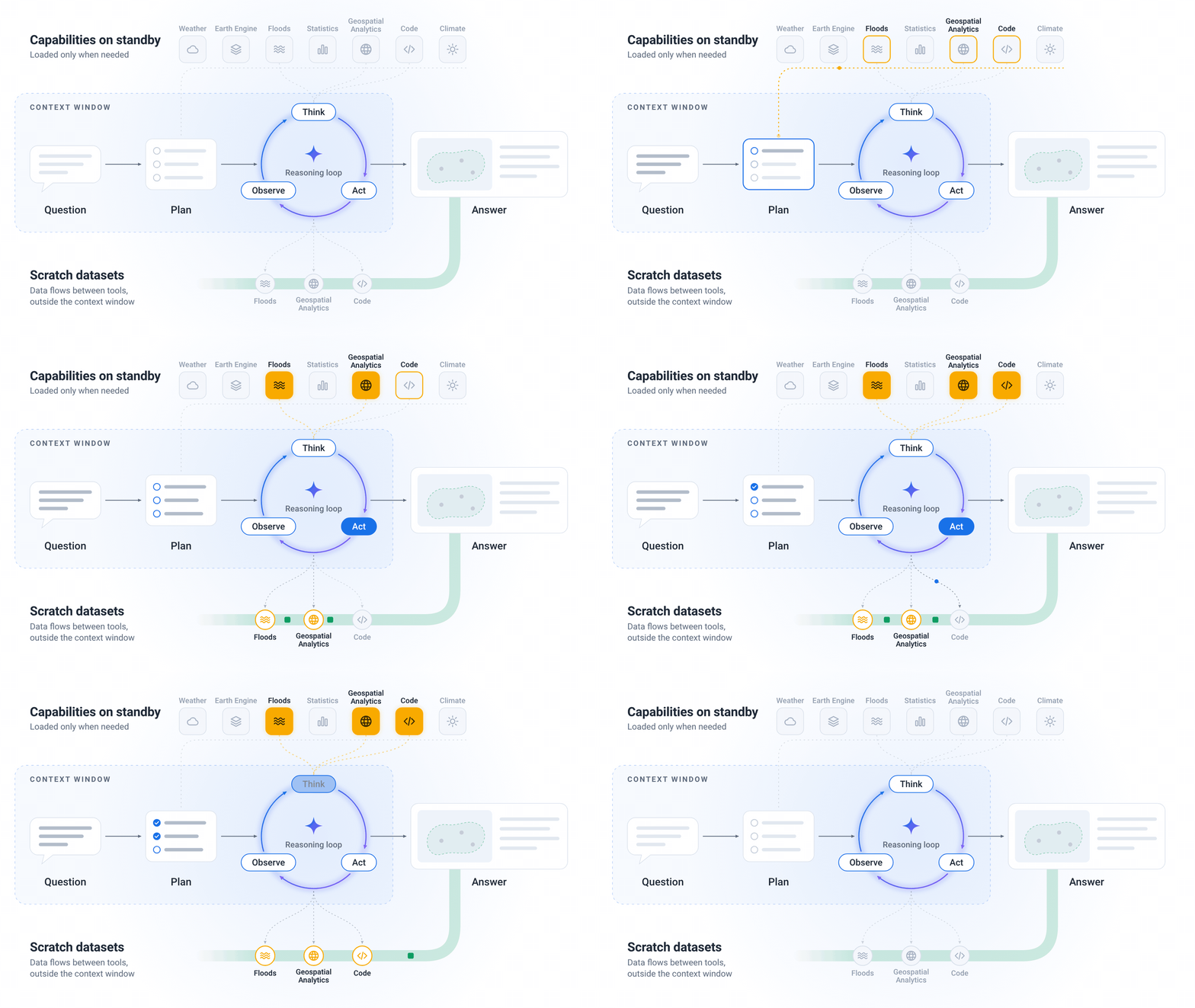
Google Research has developed a Geospatial Reasoning agent that integrates domain-specific foundation models—such as WeatherNext, Flood Forecasting, and the Population Dynamics Foundation Model—with modular skills and upfront analytical planning. Unlike general-purpose LLMs, this agent avoids context overload by processing large spatial datasets in a dedicated workspace, preserving accuracy and data attribution. The system supports private data integration via CSV, GeoJSON, or cloud tables and powers the Planetary Prediction Engine, which autonomously trains spatial ML models using local outcome data fused with global signals.
Geospatial agent outperforms LLMs on new benchmarks
Google Research evaluated four agent configurations across four benchmarks, including GeoKTools and GeoExpertQueries, two newly developed benchmarks. The full Geospatial Reasoning agent, which includes upfront planning and Earth AI tools, significantly outperformed standalone LLMs and LLMs with basic grounding tools. The system’s structured planning stage reduced errors in multi-step spatial analysis, and results showed measurable gains in accuracy when combining specialized models with deliberate orchestration, not just increased model size.
Source: Putting Earth AI to work: Geospatial agents for our planet's biggest challenges · Google Research Blog
ML model doubles subseasonal weather forecast accuracy
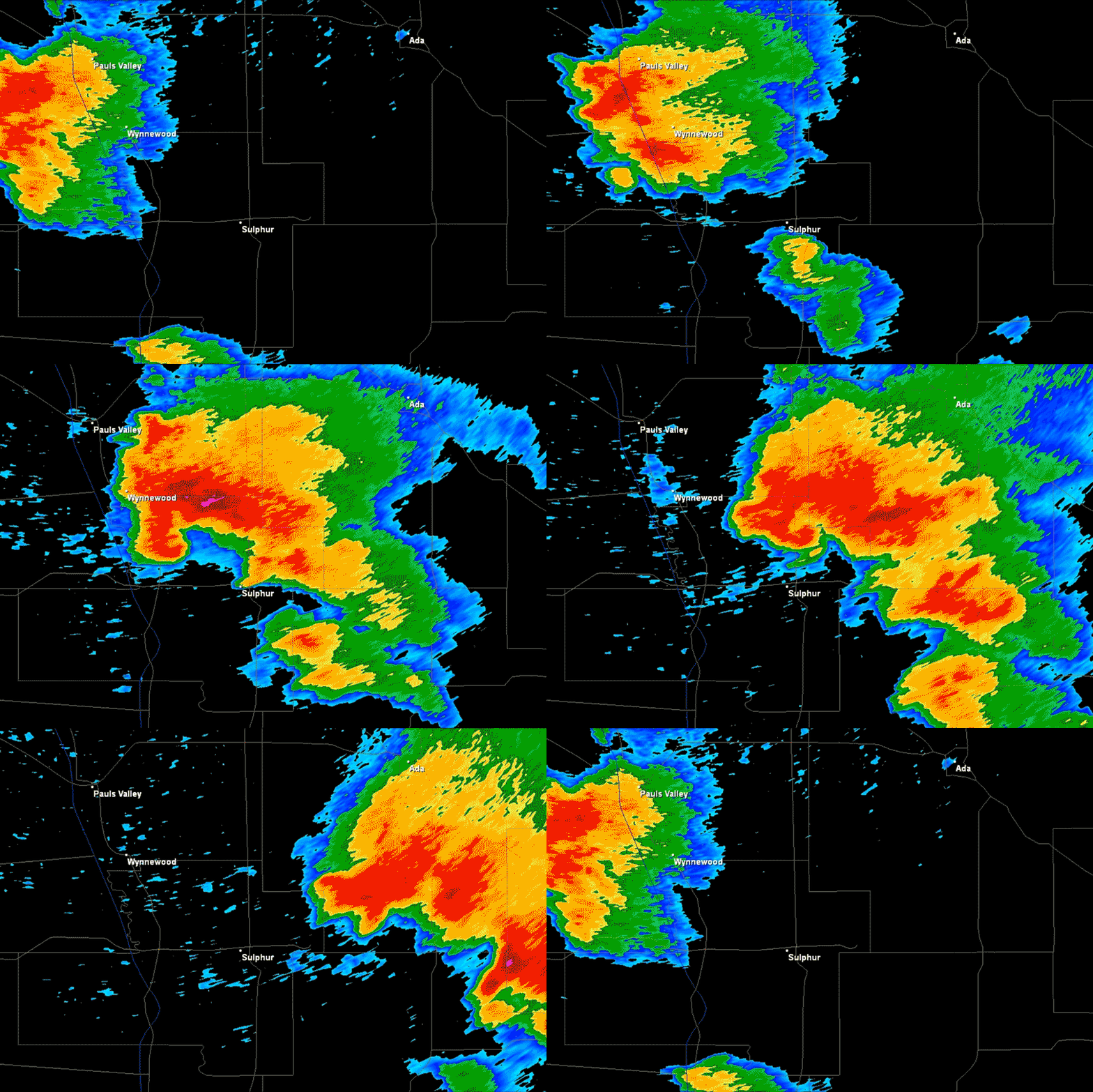
MIT researchers developed a machine-learning postprocessing layer that corrects errors in existing dynamical weather models for the two-to-six-week forecast window. When applied to ECMWF’s model, it doubled predictive accuracy and surpassed climatological averages for the first time. The model improved predictions of extreme events like cold spells and flooding, and was validated in an international competition, achieving first place without requiring supercomputing resources during inference.
Source: Researchers improve weather forecasts looking two to six weeks out · MIT News · AI
On-device Gemma models detect scams without cloud egress

Google DeepMind and GovTech Singapore deployed lightweight on-device Gemma models to intercept conversational scams in private messaging apps. The system operates entirely on the user’s device, with no chat data leaving the phone. This design ensures privacy while enabling real-time scam detection, leveraging model efficiency to run on consumer hardware without relying on cloud-based analysis or data aggregation.
Source: Google DeepMind and Singapore Government collaborate to build fine-tuned AI model for scam detection · DeepMind Blog
Robot memory system achieves 99.5% success on LIBERO benchmark
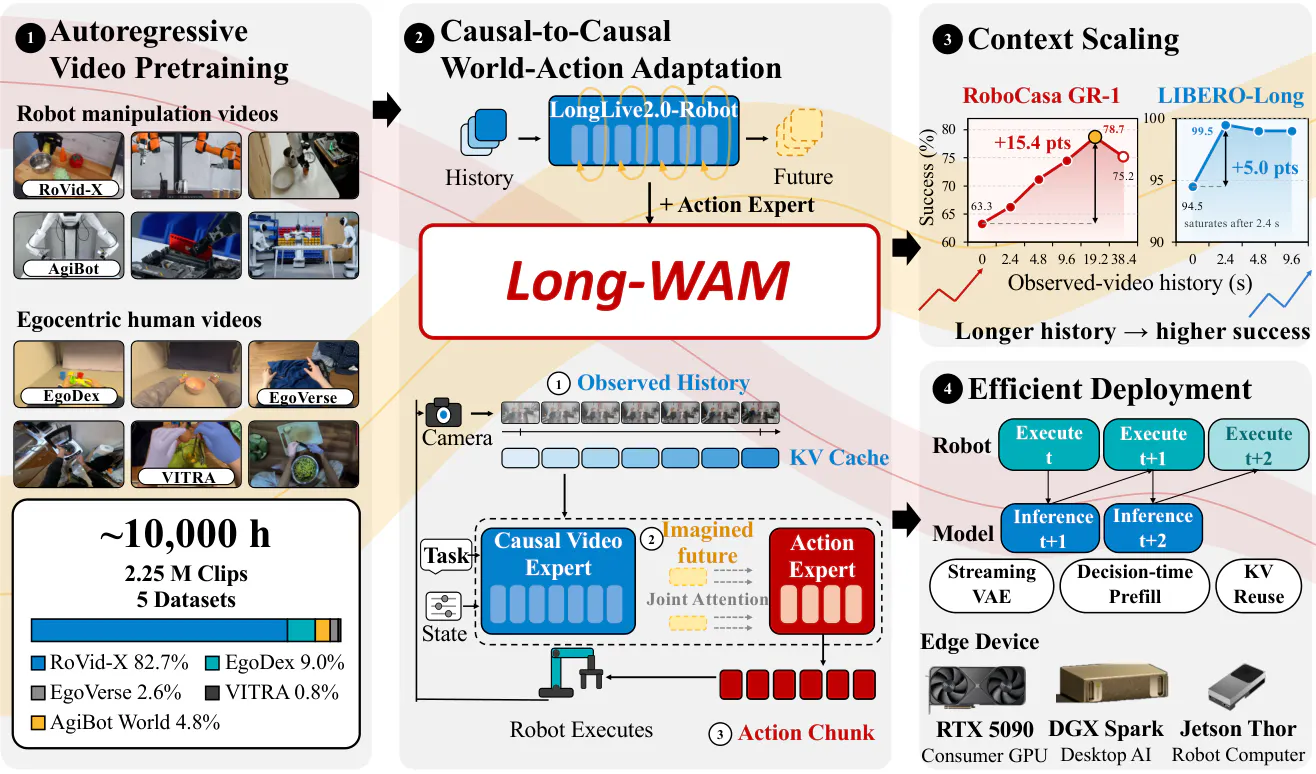
Long-WAM uses an autoregressively pretrained video model to extend robot visual history up to 19.2 seconds, improving control success on the LIBERO benchmark from 94.5% to 99.5%. The system predicts future video latents before generating actions, avoiding pixel decoding to reduce latency. Performance gains are tied to causal pretraining, not just context length, and the model outperforms bidirectional approaches by 17.1 points at maximum context, though latency increases from 107.4 ms to 341.0 ms when history is extended eightfold.
Source: Long-WAM: Scaling Robot Memory With World-Action Models · HackerNoon · ML
Android lacks MP3 encoder despite patent expiration

Android devices can decode MP3 files but lack any public API to encode them, even though MP3 patents expired in 2017. The MediaMuxer does not support MP3 output, and MediaCodec returns no encoder. Developers receive AAC files with .mp3 extensions, causing compatibility issues. Workarounds include using .m4a, bundling LAME via NDK (with licensing and APK size costs), using Termux’s FFmpeg, or cloud conversion—all carrying trade-offs in size, latency, or privacy.
Source: Android's Missing MP3 Encoder: The Problem and Four Workarounds · HackerNoon · AI
Counter-UAS systems prioritize visual detection over kinetic response
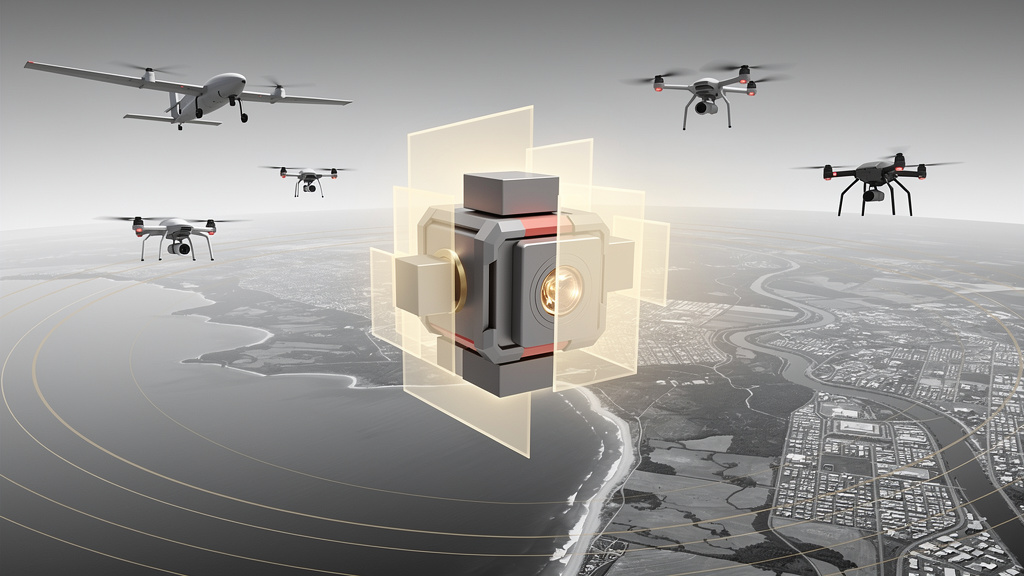
HackerNoon highlights that the primary challenge in counter-drone defense is reliable visual detection, not interception. The article cites 411 illegal drone incursions near U.S. airports in Q1 2025 and 350 detections at U.S. military sites in 2024. It argues that AI-driven computer vision systems must identify, classify, and track drones autonomously before any jamming or kinetic response, as the threat stems from unidentifiable aerial objects triggering costly disruptions, not payload delivery.
Source: Seeing the Threat: Why Counter-UAS Needs an AI Brain That Detects Aerial Threats With Vision Alone · HackerNoon · AI
What to watch next
These developments reflect targeted advances in spatial reasoning, weather prediction, robotics, privacy-preserving AI, and embedded systems, each addressing a specific technical constraint without broad claims of generalization. The systems described operate within defined boundaries: geospatial agents rely on Earth AI models, robot memory depends on causal video pretraining, and scam detection is confined to on-device Gemma inference.
Continue reading