AI Agents Gain Physical Agency in Wet Labs Through VERID Framework
Google Research deployed VERID to ground AI agents in physical lab environments, enabling autonomous molecular design with real-time robotic feedback.

Published
October 16, 2026
Reading time
3 minutes
Perspective
Research
Topics
AI wet labs · agent governance · context management
Google Research introduced the VERified Infrastructure for Discovery Laboratories (VERID) framework to bridge the gap between AI reasoning and wet-lab execution. VERID functions as a live digital twin of the laboratory workcell, tracking robotic arm positions, well volumes, reagent identities, and pipette tip inventory in 3D. This allows AI agents to simulate and validate liquid-handling protocols before execution, preventing physically impossible commands such as aspirating from depleted wells or colliding with narrow troughs. The system integrates synchronized multi-camera feeds and execution logs to ensure reproducibility and debugging capability, enabling agents to learn from experimental artifacts like dye stratification or plate-reader failures without manual intervention.
VERID enables real-time physical safety checks for AI-driven lab robotics
The VERID framework blocks invalid robotic commands before they reach hardware by maintaining a live 3D volumetric state of the lab environment. This includes tracking pipette tip inventory, well volumes, and deck layout, preventing errors such as attempting to aspirate from an empty well or lowering an 8-channel pipette into a physically incompatible trough. In one case, the simulator rejected a protocol due to geometric mismatch, prompting the agent to replan and identify a subtle carryover bias that replication alone would have missed. This capability transforms AI from a theoretical designer into a physically accountable actor within the lab, reducing experimental waste and improving reliability without human oversight.
Source: Grounding AI agents in biological reality: Building blocks for autonomous wet labs · Google Research Blog
Enterprise AI agents require formal identity and access governance
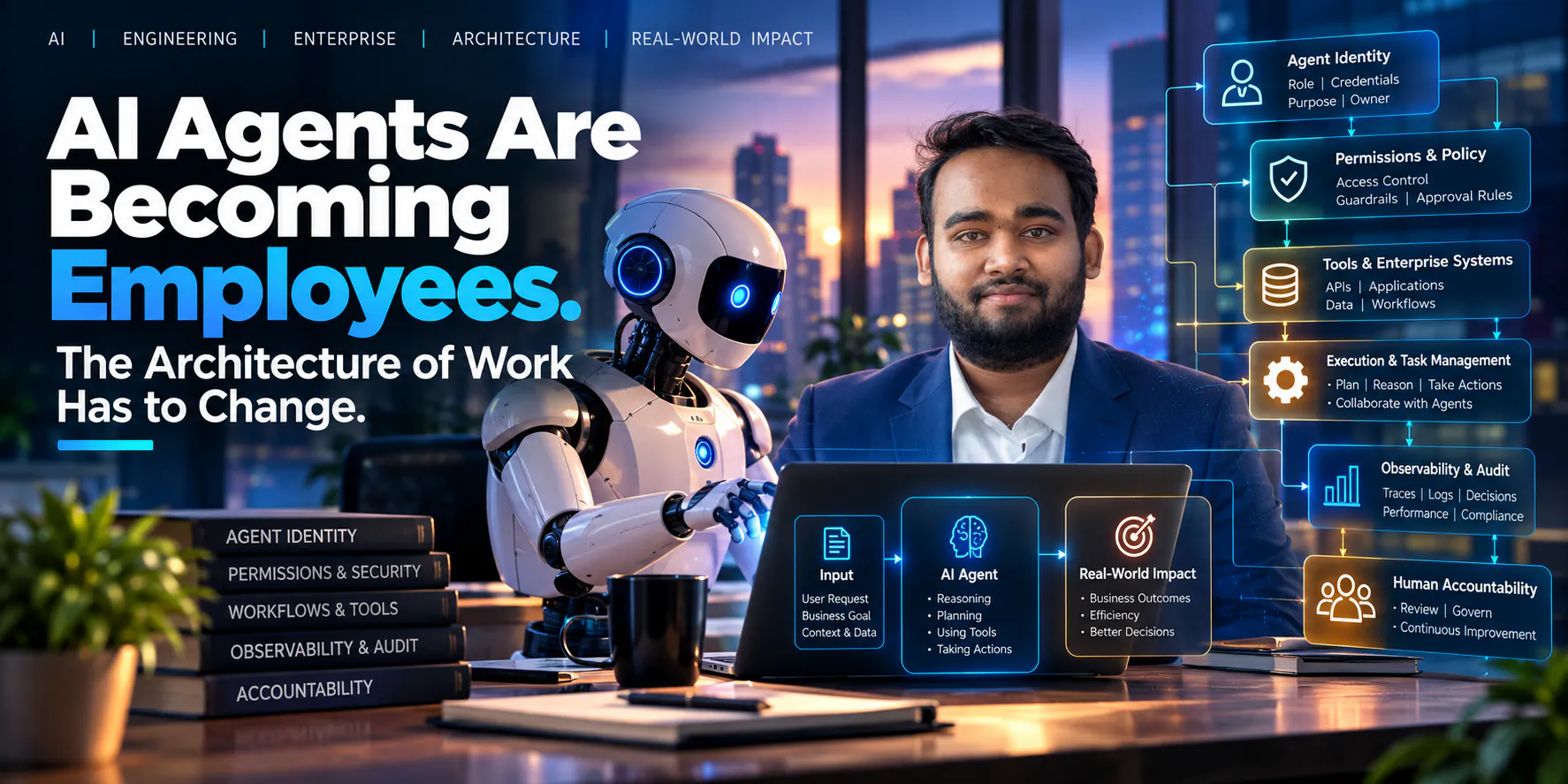
As AI agents transition from conversational tools to autonomous actors in enterprise systems, they must be assigned formal identities, permissions, and lifecycle controls. HackerNoon’s analysis highlights that agents like customer-resolution-agent need defined access boundaries—such as reading order histories but not exporting customer databases—mirroring traditional service accounts. Microsoft’s Agent 365 and Google Cloud’s agent platform now include registries, identity authentication via Microsoft Entra, and audit trails to enforce least-privilege access. Without these structures, even highly intelligent agents risk unauthorized actions, making governance infrastructure as critical as model capability.
Source: AI Agents Are Becoming Employees. The Architecture of Work Has to Change · HackerNoon · AI
Context Language Models let agents edit their own working memory
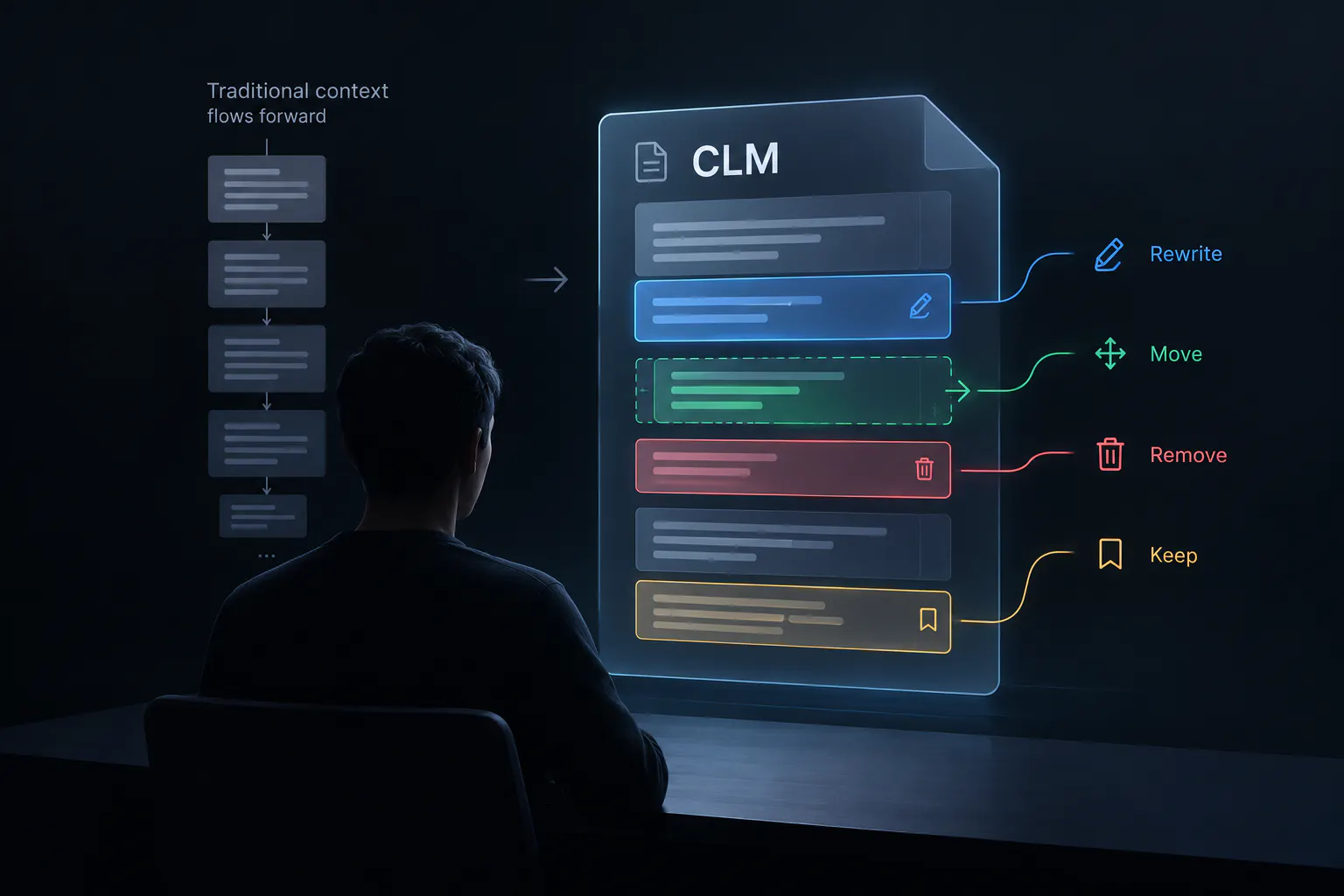
Researchers from UW, Meta, MIT, and Trillium Labs introduced Context Language Models (CLMs), allowing language models to directly manipulate their own context as a mutable file. Unlike traditional systems that rely on external summarization or retrieval, CLMs enable the model to remove irrelevant data, rewrite sections, or reorganize notes during long tasks. On the BrowseComp-Plus benchmark, a Qwen3.6–27B model using CLM achieved 59.4% accuracy versus 53.4% for summarization baselines, while reducing prefix-reuse FLOPs by 21.5%. This shift treats context management as an intrinsic capability, improving efficiency and accuracy in multi-hour agent workflows without altering the underlying architecture.
Source: Context Language Models: A New Approach to How AI Agents Remember · HackerNoon · AI
Kendall Square stakeholders emphasize collaboration over technological determinism
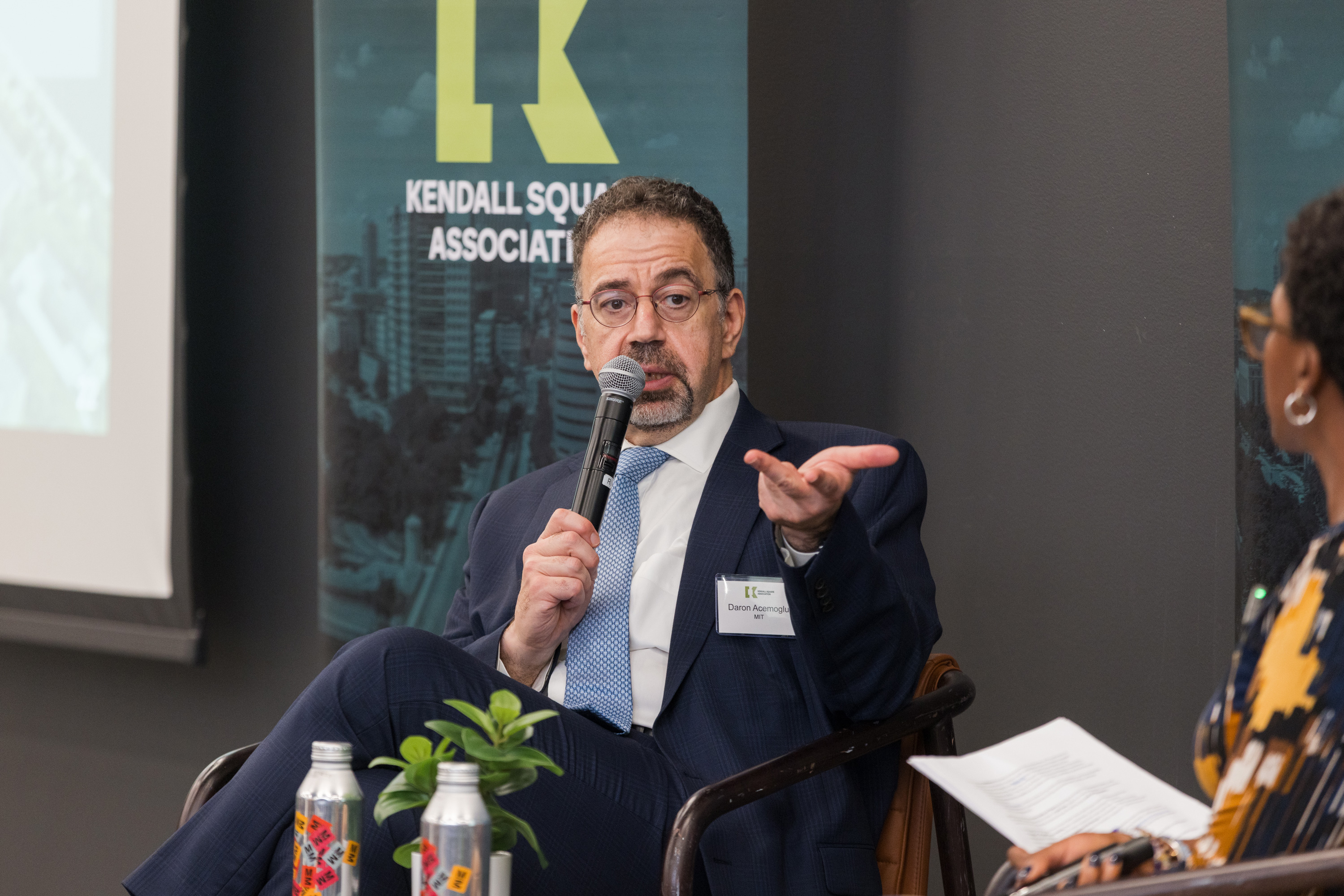
At the 18th Annual Kendall Square Meeting, MIT’s Daron Acemoglu and Cambridge Mayor Sumbul Siddiqui stressed that innovation thrives not from technology alone but from institutional trust and cross-sector collaboration. Acemoglu defended liberal democratic norms as essential for shared prosperity, while Siddiqui cited 1970s community-lab partnerships that shaped recombinant DNA policy. Lee McGuire of the Broad Institute noted that talent density and collective voice remain core to the area’s innovation engine. The event framed AI not as an autonomous force but as a tool whose societal impact depends on human institutions and norms.
Source: Fostering community amid Kendall Square’s innovation · MIT News · AI
What to watch next
The convergence of physical grounding (VERID), governance (agent identities), and cognitive autonomy (CLMs) marks a maturation of AI agents from tools to participants in complex systems. These developments are not merely technical upgrades but structural changes requiring new frameworks for safety, accountability, and collaboration.
Continue reading